


 Destination Anywhere
Camping gear
Camping Gear for Your First Weekend
Build a practical car-camping kit around where you will sleep, what you will eat, and the facilities you will actually have.
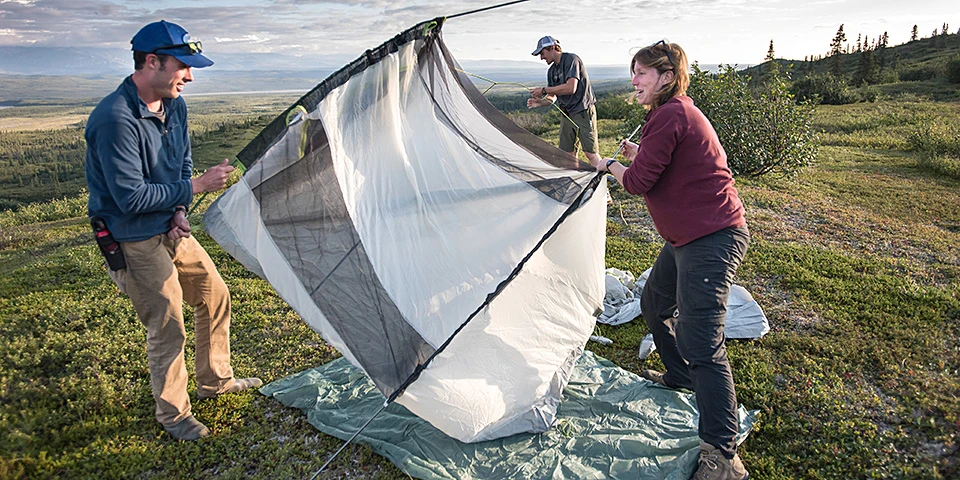
A comfortable first camping trip starts with a few ordinary questions. Where are you sleeping? How cold will it get? What are you eating? Where will you get water, and where will you go to the bathroom?
Answer those before shopping. You can borrow a lot of equipment, use cookware from home, and skip plenty of extras. This guide is built around weekend car camping, where your vehicle is close to camp. Backpacking puts much tighter limits on weight and volume.
Choose the campsite before the equipment
A developed campground may offer toilets, picnic tables, drinking water, or electricity. “May” matters. Read the actual listing and current alerts rather than assuming those services will be available. Seasonal water shutoffs can change your packing list overnight.
Dispersed camping generally means camping outside a developed campground. It often requires bringing everything in and taking everything back out. Public land is not blanket permission to park or pitch a tent anywhere: access roads, designated-site rules, permits, stay limits, and closures vary. Start with the managing agency's current information. See BLM camping overview and our campground versus dispersed camping explainer.
For a first trip, a confirmed campsite with a usable toilet and a straightforward drive removes several problems at once. Save the remote route for when you know how your setup works.
Build a bed you can actually sleep in
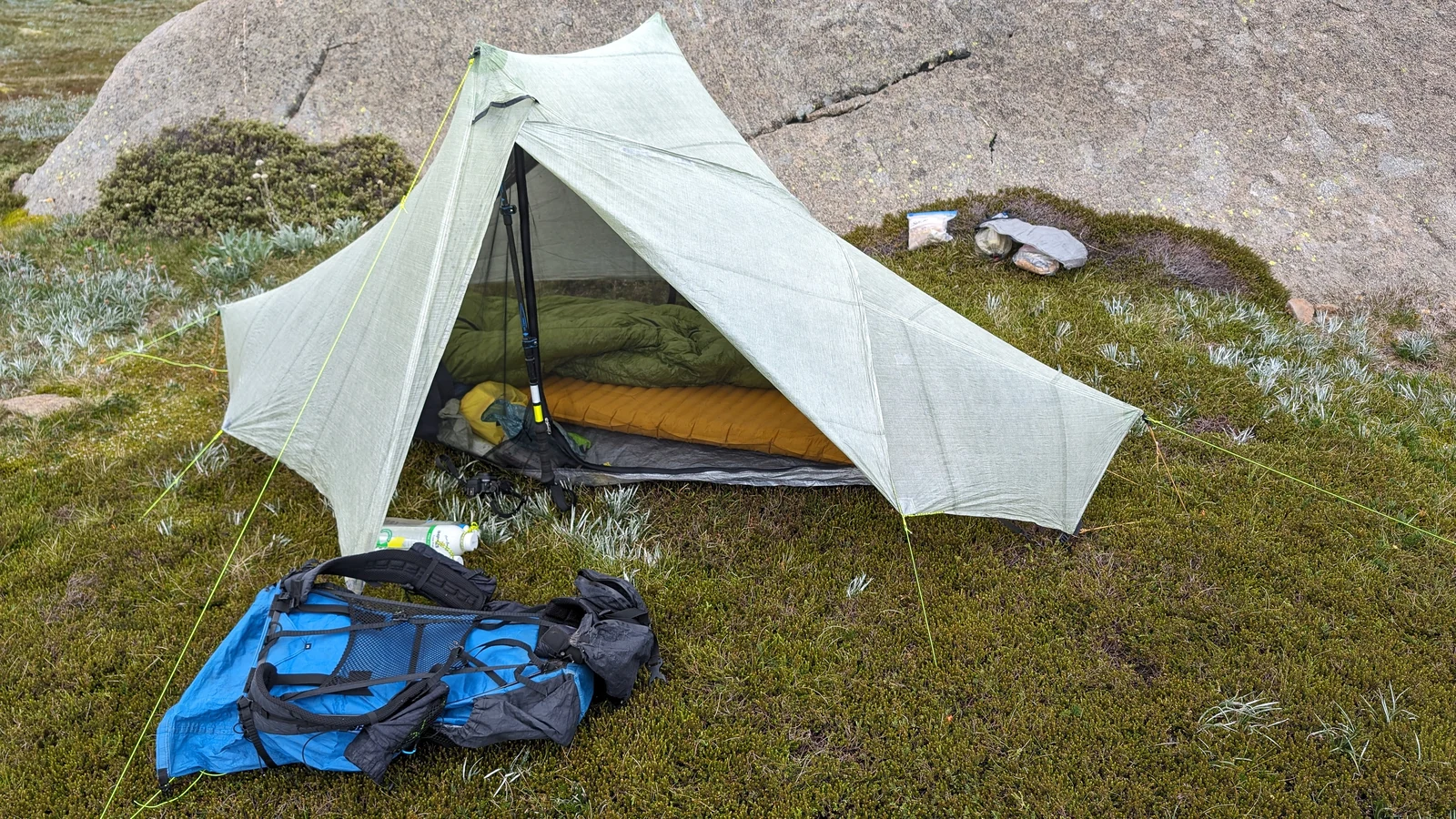
Your shelter and bed deserve attention before the accessories. Choose a tent that fits both your group and your actual sleeping pads. A capacity label tells you less than laying out the floor dimensions. Two wide pads can make a small two-person tent feel very small.
Practice pitching it at home, including the rainfly, stakes, and guy lines. Put the complete kit back in the bag afterward. At camp, use the designated pad where provided and check for overhead dead branches and low spots that could collect water. Follow the tent maker's instructions and the site's rules. NPS campsite planning explains campsite hazards and setup.
Pick a sleeping bag for the expected overnight conditions, leaving yourself a margin if you sleep cold. Look for its comfort rating and read what the manufacturer means by the number on the label. A lower-limit or extreme rating is not a promise of a pleasant night's sleep. Pair the bag with an insulated sleeping pad: padding and insulation are separate jobs. Higher R-values indicate greater resistance to heat loss through the pad. See Therm-a-Rest sleeping bag ratings and Therm-a-Rest sleeping pad selection.
Try the whole bed at home. Check your shoulders, hips, feet, pillow, and the effort needed to get in and out. Our guides to tents, sleeping bags, and sleeping pads go into the choices without turning them into a shopping contest.
Pack useful light and optional airflow
A battery-powered lantern makes a shared table easier to use. A headlamp handles the jobs that need both hands, including finding a zipper or walking to the toilet. Bring a backup light and the right batteries or charging cable. Test everything before leaving.
Keep light low enough to be comfortable and turn it off when you are done. A bright campsite can spoil the dark for the people beside you. Read the lantern explainer for a simple setup.
A small rechargeable fan can be pleasant during warm, still weather. Check its runtime at the speed you will actually use and how it attaches. It is an optional comfort item, not a reason to accept unsafe heat. Don't block the tent's ventilation with bedding or bags. More in camping fans.
Let dinner choose the kitchen
Write a menu, then list the tools each meal needs. Oatmeal and hot drinks might require one pot. Eggs and pancakes need a pan, a turner, and more cleanup. A no-cook lunch may need only a knife and cutting board. Bringing a whole kitchen makes sense only if you will use it.
Check that the pot or pan fits your stove, and test the stove outdoors before the trip. Pack the correct fuel, ignition source, eating utensils, a wash basin, and a way to contain dirty water. Add a food thermometer if your menu includes foods that need a verified cooking temperature. The cookware guide starts with meal examples.
Use camping stoves and fuel-burning lanterns outdoors, away from tents and enclosed spaces. Never bring a grill, stove, or fuel-burning heater inside a tent or vehicle to cook or warm up. Carbon monoxide can be fatal. CPSC camping carbon monoxide safety covers the hazard.
Give the cooler a real job
Choose a cooler around the amount of perishable food you are bringing, plus room for ice or cold packs. Pre-chill the food, protect it from raw-meat leaks, and use an appliance thermometer to check that it stays at 40°F or below. Open the cooler only when needed. See USDA cooler thermometer guidance.
Plan shelf-stable backup meals so melted ice does not ruin dinner. Cooler size, packing, and handling are covered in the cooler explainer.
A cooler is also part of your wildlife plan. An ordinary cooler is not automatically bear-resistant, and even a certified one must be used as required locally. Food, trash, toiletries, and cooking gear may need a locker or another approved storage method. Never leave food out for animals. NPS food storage requirements and cooler limitations shows why a closed lid alone is insufficient.
Separate carrying water from treating it
For a short car-camping trip, bringing drinking water from a known safe source is often simplest. Use clean, food-grade containers you can lift and secure upright. Estimate drinking, cooking, handwashing, and cleanup needs, then allow for the weather, activities, group, and an unexpected delay. Our water storage guide helps organize that plan.
If you expect to use untreated water, carry a method appropriate to its hazards and know how to use it. Filters differ; a filter that removes some organisms does not necessarily remove viruses or chemical contamination. Boiling and disinfectants do not make chemically contaminated water safe. Choose another source when contamination is suspected. See CDC backcountry water treatment and the water treatment explainer for boiling times and important limits.
Make the bathroom plan before you leave
Use established toilets where available. Without them, find out exactly what the land manager allows. A shovel or trowel, toilet paper, and sealed carry-out bags may be suitable where catholes are permitted. Elsewhere, you must carry human waste out using an accepted toilet or waste-bag system. See NPS human waste guidance and BLM human waste disposal.
A portable commode and privacy tent can make car camping more comfortable, but privacy does not solve disposal. You still need the right collection system, enough supplies, handwashing, secure transport, and an approved destination for the waste. The camping toilet explainer walks through both approaches.
Keep washwater separate from drinking water and toilet waste. Do not assume it is legal to dump graywater on the ground, even with biodegradable soap. Use designated facilities or contain it for an approved disposal point, following local instructions. BLM New Mexico recreation rules provides one example of rules protecting surrounding land from wastewater pollution.
Do one practice pack
Load the vehicle before departure day. Put arrival essentials where you can reach them: shelter, light, water, warm layers, and rain gear. Add medications, first aid, navigation, sun protection, and the tools your particular route requires. Share your destination and expected return with someone you trust.
Check the forecast, road conditions, reservations, fire restrictions, and campsite alerts again before leaving. If a fire is allowed, keep extinguishing water ready. Douse, stir, and repeat until the ashes are cold before leaving or sleeping; follow NPS campfire safety. A fire ring does not override a fire ban.
After the trip, write down what you missed and what stayed untouched. That short list will tell you more about your next purchase than a wall of gear ever could.
Sources and further reading
- BLM camping overview
- NPS campsite planning
- Therm-a-Rest sleeping bag ratings
- Therm-a-Rest sleeping pad selection
- CPSC camping carbon monoxide safety
- USDA cooler thermometer guidance
- NPS food storage requirements and cooler limitations
- CDC backcountry water treatment
- NPS human waste guidance
- BLM human waste disposal
- BLM New Mexico recreation rules
- NPS campfire safety