


 Destination Anywhere
Camping gear
Campground or Dispersed Camping
Choose the facilities and responsibilities that match the trip you want.
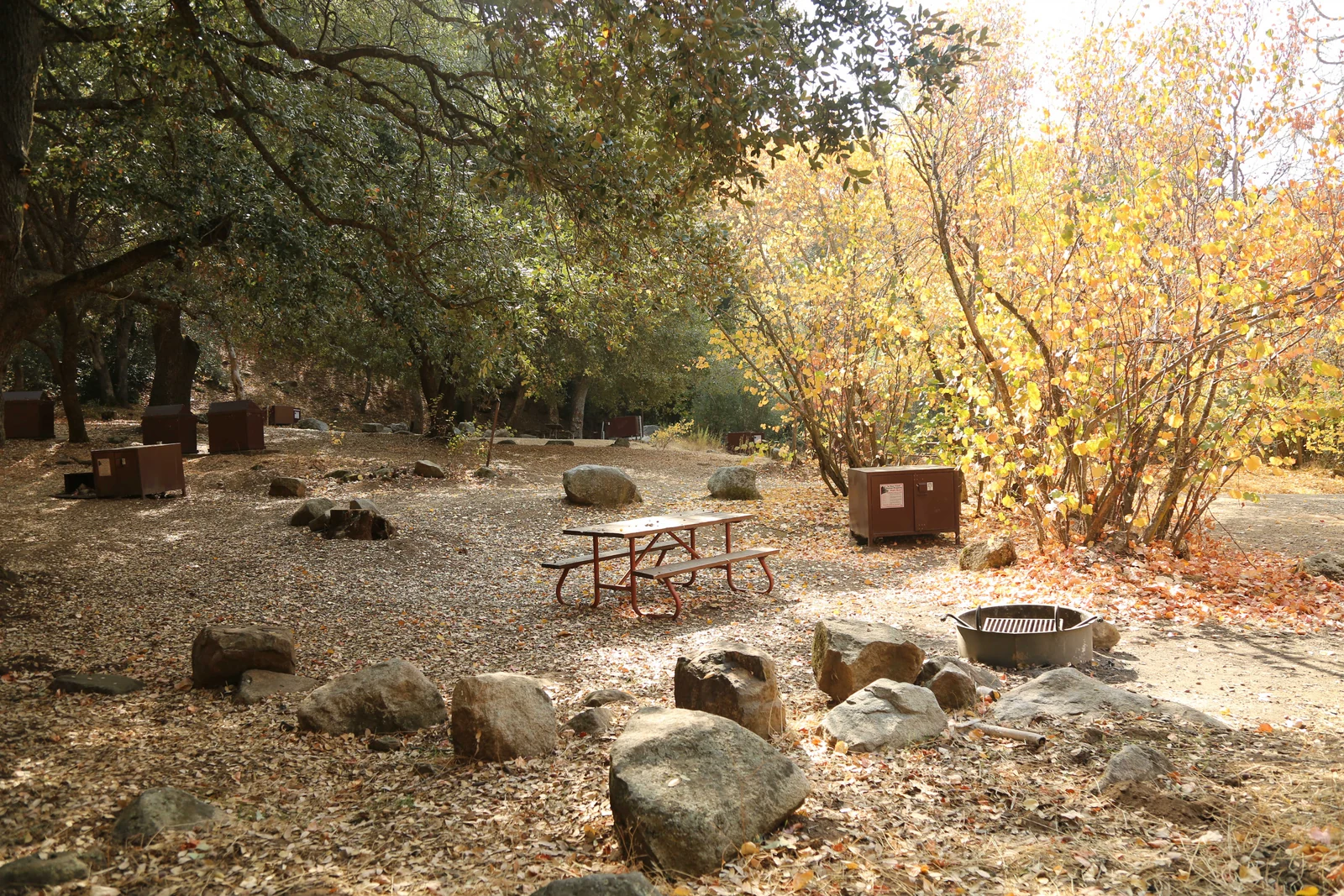
A developed campground gives you a defined place to camp and may provide toilets, tables, potable water, or other services. Read the specific listing. A campground can still be primitive, and services can close seasonally or fail unexpectedly.
Dispersed camping generally takes place outside developed campgrounds. It can offer more solitude, but you usually need greater self-sufficiency. You may have no toilet, water supply, trash collection, or reliable phone signal. That changes what you need to bring and what you must be prepared to carry home.
Before choosing a spot, identify who manages the land. Check current camping permissions, access restrictions, maps, permits, stay limits, and any designated-site requirement. Do not assume a track visible on a map is open to your vehicle, or that a previously used patch of ground is legal to occupy. BLM's BLM camping overview is an overview, not a substitute for local rules.
For a first weekend, a reserved campground with confirmed facilities makes it easier to learn your equipment. You can concentrate on pitching the tent, sleeping comfortably, and making dinner before adding remote-access and waste-management challenges.
For either option, have an alternative if the site is full, closed, or unsuitable. Save the relevant information before losing service. Plan water storage, toilets and waste, and food storage around the actual site. The main gear guide brings those decisions together.