


 Destination Anywhere
Camping gear
Choosing and Packing a Camping Cooler
Size your cooler for the food, the ice, and the person who has to carry it.
Start with your menu and trip length. A cooler needs space for perishable food and enough ice or cold packs to keep it cold. The biggest model on the shelf may be awkward to lift once loaded, so check where it fits in the vehicle and whether you can carry it safely.
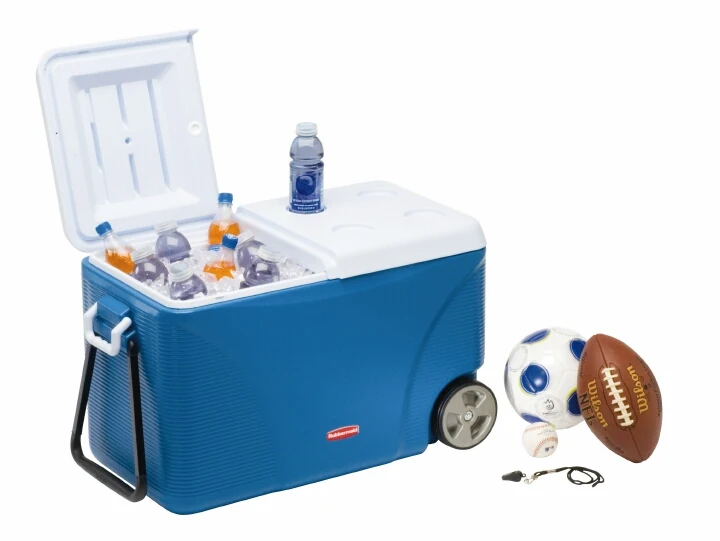
For a short trip, borrow a cooler before buying an expensive one. Check the lid, hinges, handles, and drain plug. A sturdy cooler you can manage is more useful than one that stays in the garage because moving it is a chore.
Chill food before packing. Keep raw meat sealed and below ready-to-eat food, or use a separate cooler. Put frequently used items within reach so you are not searching with the lid open. A separate drinks cooler can help if people will be reaching for beverages all day. These are practical steps from USDA camping food safety.
Put an appliance thermometer inside and keep perishables at 40°F or below. Discard perishables left above 40°F for more than two hours, or one hour when the temperature is above 90°F. Do not judge safety by smell. See USDA camping food safety and USDA cooler thermometer guidance.
Finally, check the destination's wildlife-storage rules. A tightly closed everyday cooler is not automatically an approved bear-resistant container. Use required lockers or approved equipment, including specified latches or locks. NPS food storage requirements and cooler limitations
Before loading groceries, read the main camping gear guide and meal-based cookware guide.