


 Destination Anywhere
Camping gear
Choosing a Sleeping Bag
Read the comfort rating and test the fit as part of your full sleep setup.
Choose a sleeping bag around the conditions you expect overnight, not the afternoon temperature. Read the forecast for the actual camping elevation and allow for uncertainty. If the forecast looks beyond the equipment or experience you have, change the plan.
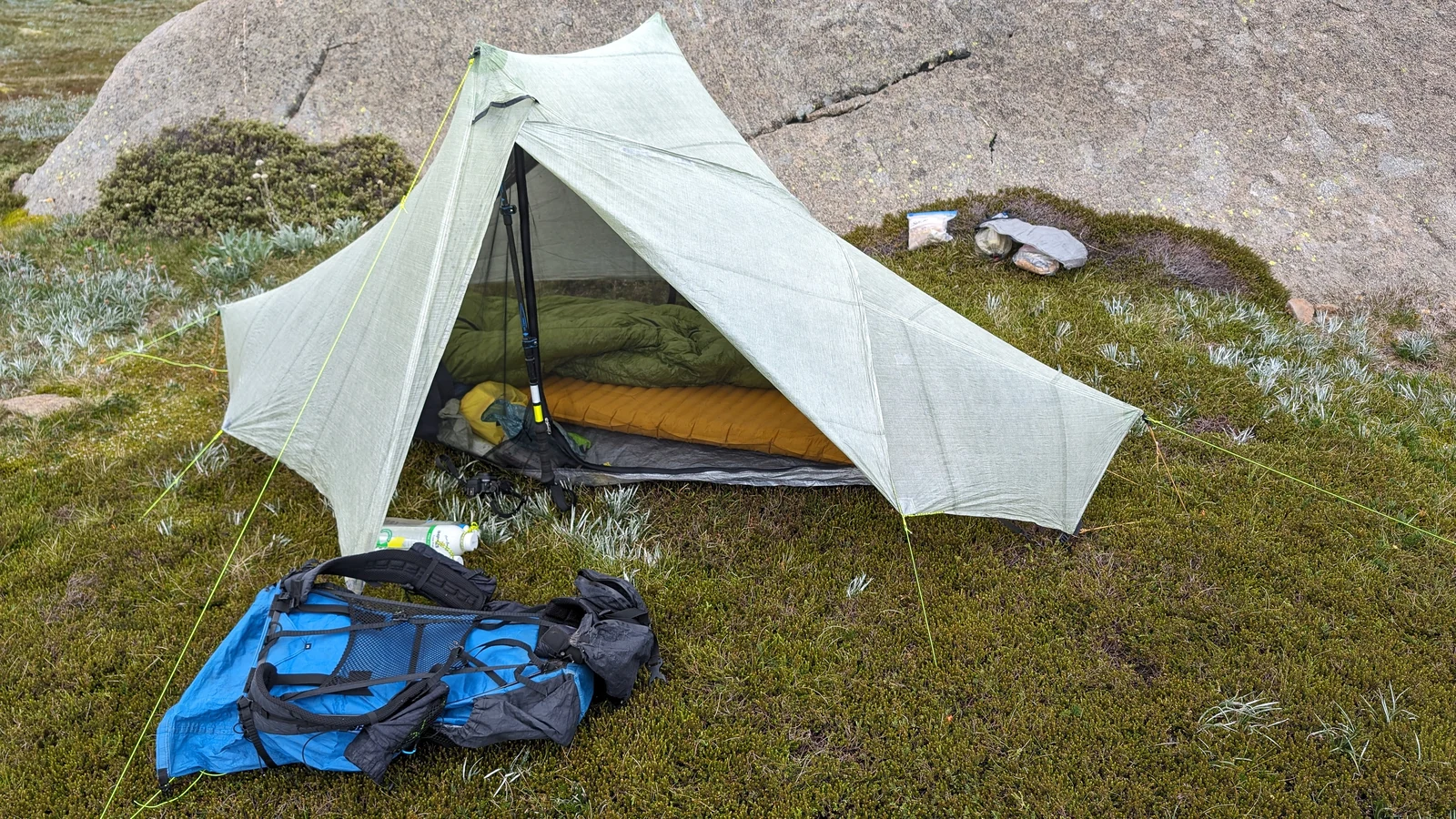
Look beyond the single temperature printed in a product name. Standardized EN or ISO labels may show comfort, limit, and extreme values. Those describe different test conditions. For a beginner planning a comfortable night, the comfort figure is the useful starting point; an extreme rating belongs to emergency-risk territory. No laboratory number guarantees how warm you personally will feel. Therm-a-Rest sleeping bag ratings
Try the fit before buying when possible. Your feet should have room without pressing hard into the end, and you should be able to move without fighting the zipper. Check whether you can operate the hood and zipper while lying down. A roomy rectangular shape may suit relaxed car camping, while another shape may suit your packing needs better.
Protect the bag from moisture in transport and at camp. Bring dry sleeping clothes, and follow the maker's drying and storage directions afterward.
Most importantly, test the bag with the pad you will actually use. A bag cannot be evaluated sensibly in isolation from the rest of your bed. Start with a low-risk overnight before depending on unfamiliar equipment somewhere remote. See the full camping gear guide.