


 Destination Anywhere
Camping gear
Camping Lanterns and Lighting
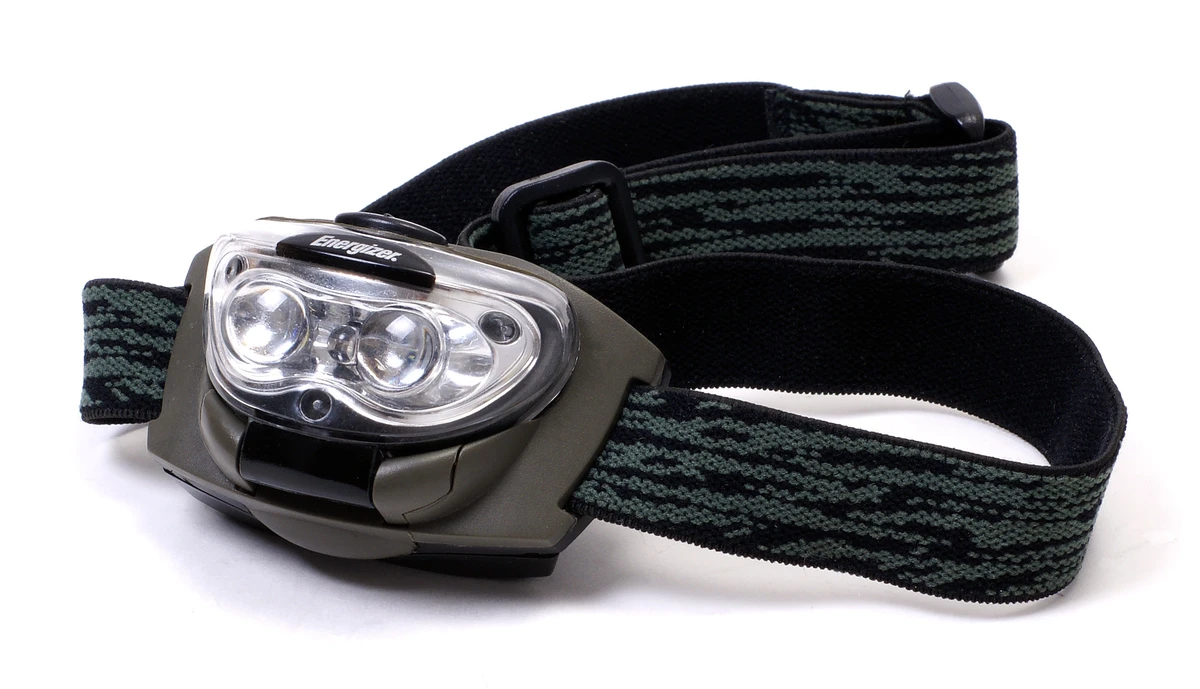
Use a lantern for shared space and a headlamp for tasks that need both hands.
A battery-powered LED lantern is a straightforward choice for a first campsite. Look for an easy low setting, a stable base, and a handle or hanging point that suits where you will use it. Try the controls in the dark before packing it. Tiny buttons can become surprisingly annoying at bedtime.

Brightness matters less than usable light. A gentle lantern on the table can be more comfortable than a powerful lamp shining into everyone's eyes. Put light where the task is, rather than lighting the whole campground. Respect quiet hours and any lighting rules, and turn lights off when nobody needs them.
Give each person access to a headlamp or flashlight for bathroom trips. Keep a backup where it can be found without unpacking the entire vehicle. Check battery type, charging cables, and whether runtime figures apply to low or high output. If the lantern doubles as a phone charger, remember that charging the phone uses its battery too.
Choose battery lighting inside a tent. Fuel-burning lanterns and other camping combustion equipment can produce deadly carbon monoxide in enclosed spaces; an open flap is not a dependable safety solution. See CPSC camping carbon monoxide safety.
At home, rehearse finding your shoes and tent zipper with the headlamp. Small practical checks make the rest of your camping setup easier to use after dark.