


 Destination Anywhere
Trail gear
Winches and recovery equipment work as a system
A winch needs suitable mounting, compatible rigging, safe space, and practiced operators.
A winch provides controlled pulling power when traction alone cannot move a vehicle. Its useful kit includes compatible, rated connectors and anchor equipment, gloves, the correct control, and any line-management accessories required by its manufacturer. Buying a winch without budgeting for installation and training leaves the job unfinished.
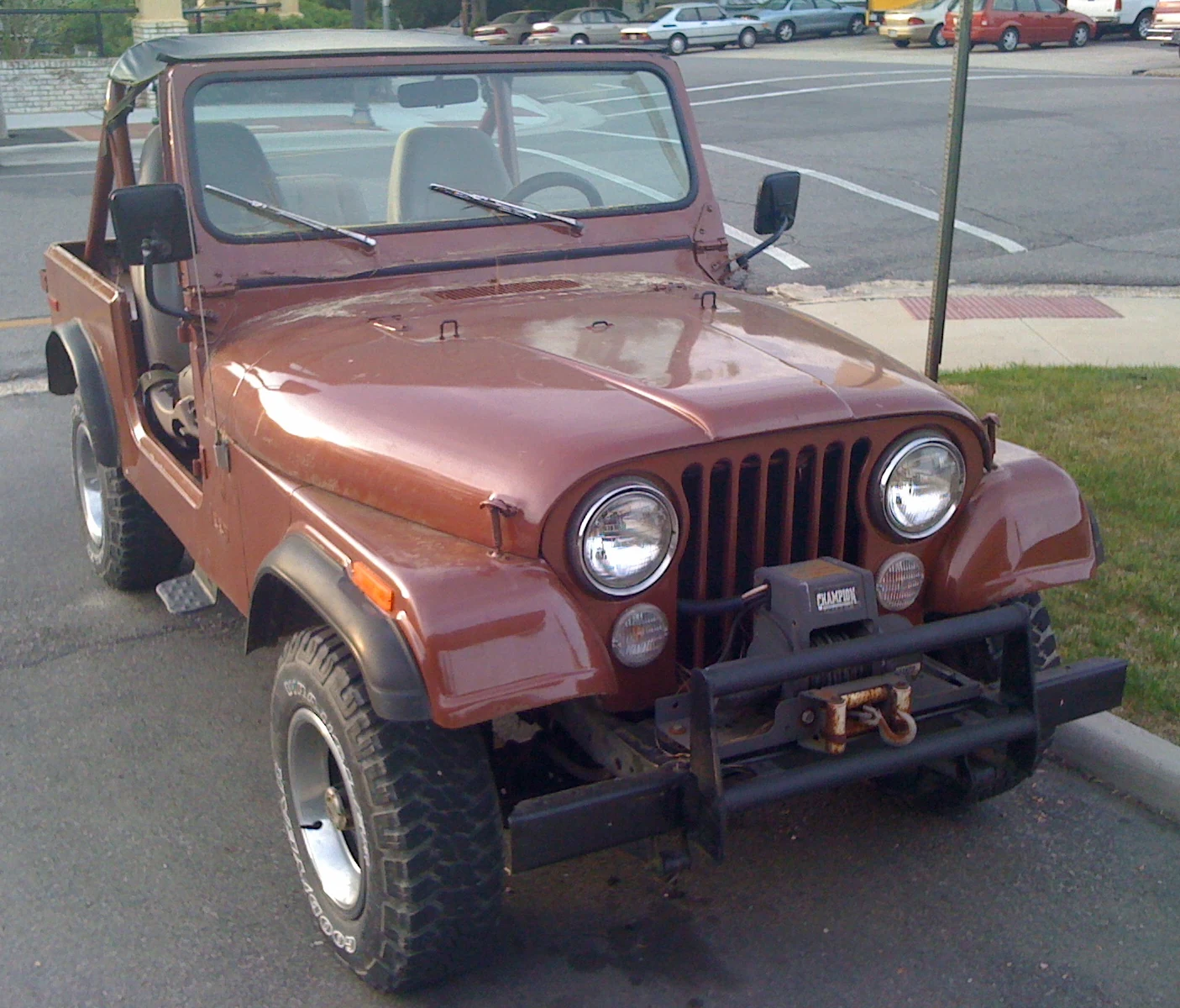

Start with the situation: vehicle stability, likely direction of movement, ground conditions, the anchor, and a safe place for everyone. A slow pull can still overload equipment. Vehicle weight alone does not describe the load from mud suction, a slope, or an obstacle. Complicated or unstable recoveries belong with qualified help.
Read the exact winch manual for electrical requirements, rope installation, minimum drum wraps, duty cycle, and inspection criteria. Keep people away from the line of pull and possible recoil paths. Never touch or step over a tensioned line. A damper is one precaution, not permission to stand close. Use rated recovery attachment points, never a tow ball.
Stretchy snatch straps and static winching components have different purposes; do not substitute a kinetic strap into a winching setup. Get supervised practice before an actual recovery. For a beginner on easier routes, a shovel, compatible traction boards, and a conservative turnaround decision may be more useful early purchases. After use, inspect, clean, and correctly respool the system before storing it.
Keep building your kit
Trail Gear Winch Sizing · Trail Gear Traction Boards · Trail Gear Snatch Straps · Trail Gear D Rings · Trail Gear Soft Shackles · Trail Gear Ropes · Trail Gear Guide