


 Destination Anywhere
Trail gear
A route and communications plan belongs beside the gear
Give someone a useful return plan and know how you will request help.
Recovery equipment does not tell anyone where you are. Before a remote outing, leave a trusted person a route, vehicle description, expected return time, and an agreed action if you miss that check-in. Update them when the plan changes. A vague promise to be home sometime is difficult to act on.
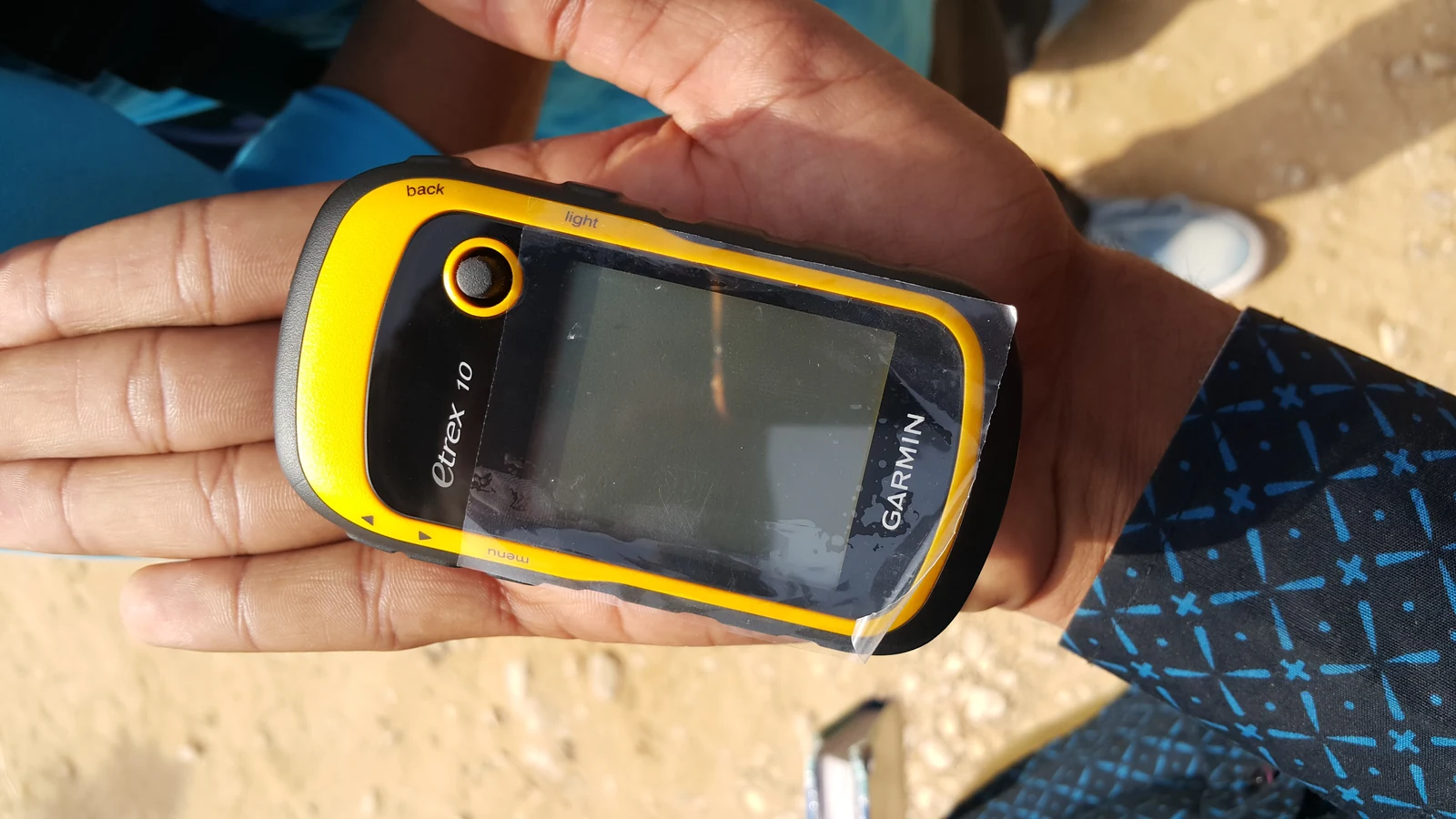

Download the relevant maps and instructions before leaving reception, and carry an appropriate backup. Check access, closures, weather, and road conditions with the land manager. Route suitability depends on the actual vehicle, drivers, and conditions; an old track recording is not permission to enter a closed or unsuitable road.
Where cell service is unreliable, investigate a satellite messenger or phone suitable for the area. Learn its limitations, charge it, and use its approved test procedure before the trip. Verify any required service is active. Know how you will describe your location and the nature of the problem, without assuming every recovery requires an emergency rescue response.
NPS Mojave guidance includes a return plan and satellite communications among its preparation recommendations. It also cautions stranded visitors against walking out into dangerous exposure. Follow local emergency advice and reassess immediate hazards such as fire or flood before deciding where to wait. Affordable planning and a practiced check-in routine should come before extending the route simply because you bought more gear.
Keep building your kit
Trail Gear Extra Water · Trail Gear Blankets · Trail Gear Guide