


 Destination Anywhere
Trail gear
Extra water belongs in the emergency reserve
Separate the water for the planned outing from water for an unexpected delay.
Extra drinking water is part of the vehicle's emergency system. Plan for every person, pets, conditions, exertion, and how long a breakdown could delay help. The water used for lunch or washing hands should not quietly consume the entire reserve.
.jpg)
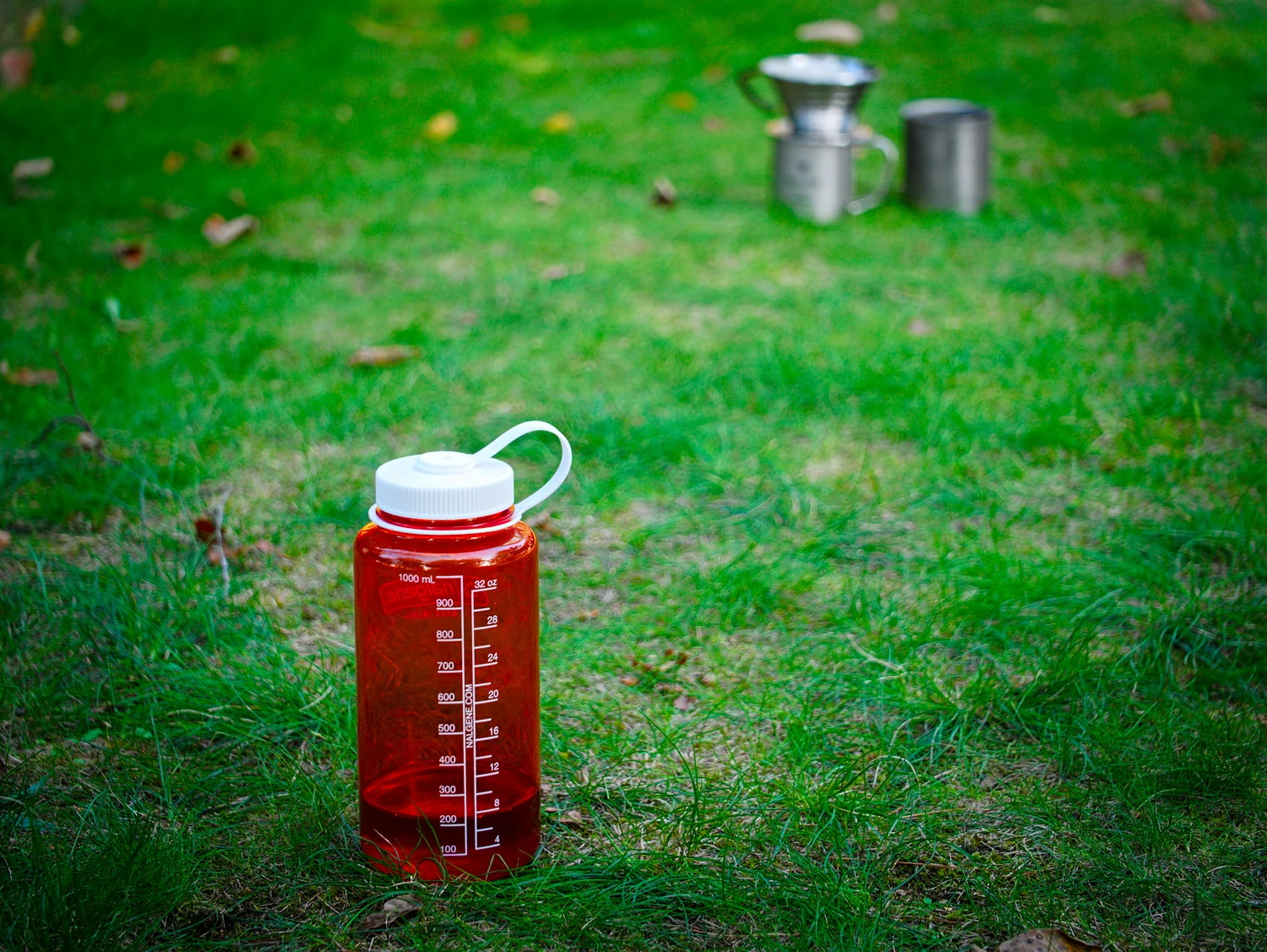
Use food-grade containers suitable for drinking-water storage, kept clean and closed. Divide the supply between more than one manageable container so a single leak does not lose everything. Secure heavy containers against movement and keep drinking water separate from vehicle fluids and contaminated tools. Clearly label any non-drinking supply.
CDC's general emergency baseline is at least one gallon per person per day for three days, including drinking and sanitation. That is a preparedness starting point, not a guarantee for hot-weather trail travel. Heat, health needs, pets, and route remoteness can require more. Check destination-specific guidance and increase the supply accordingly.
Inspect containers for leaks and follow cleaning and storage instructions. CDC recommends replacing water you store yourself every six months and observing store-bought water's expiration date. Heat and freezing also deserve attention when deciding what can remain in a parked vehicle. A filter is useful only within its intended application and cannot create water where none is available. Affordable, secure containers and a replenishment habit do more than an elaborate setup that leaves home half empty.
Keep building your kit
Trail Gear Emergency Food · Trail Gear Emergency Medical Kit · Trail Gear Guide