


 Destination Anywhere
Trail gear
Build an emergency medical kit you can find and use
Accessible supplies, appropriate training, and an evacuation plan belong together.
An emergency medical kit should be easy for anyone in the vehicle to locate. Choose a clearly labeled pouch and a consistent storage place that can be reached without unloading the truck. Keep it separate from dirty tools and leaking fluids.
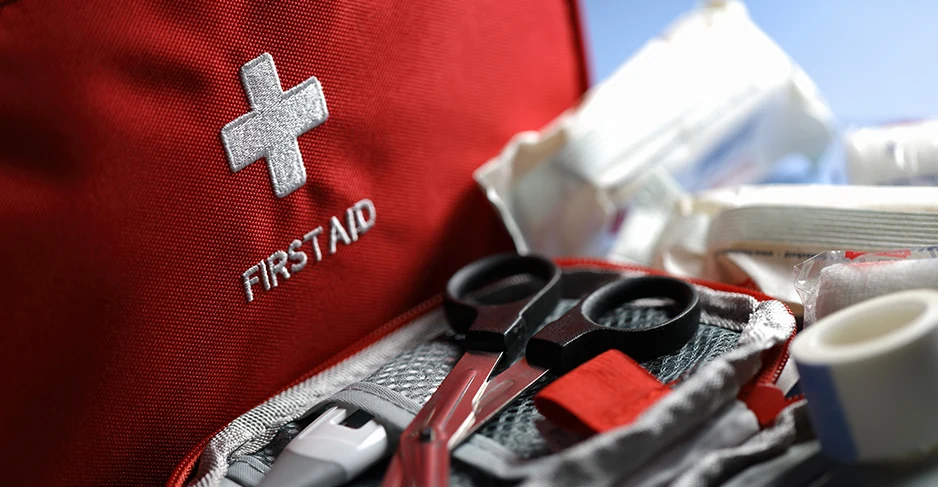

A practical starting inventory includes protective gloves, assorted dressings and bandages, gauze, tape, scissors, and a first-aid reference. Tailor quantities to the group and how long outside help could take. Personal medications and specialized supplies need individual planning with the relevant clinician or pharmacist, including storage temperatures. Do not assume a permanently parked vehicle is a suitable medicine cabinet.
Learn what you carry. First-aid and CPR training are useful foundations; remote travel may justify a wilderness-focused course. Specialized equipment should match your training rather than a product photo. This gear guide does not provide treatment instructions, and a well-filled pouch cannot replace professional medical care.
Before each outing, check seals, expiration dates, and what was used last time. Make a simple contents card and restock promptly. Pack any temperature-sensitive items with the person who needs them instead of forgetting them in the vehicle between trips. Include emergency contact information, a route and return plan, and a way to request help beyond cell coverage when appropriate. A modest, organized kit that you know is more useful than an impressive bag nobody has opened.
Keep building your kit
Trail Gear Blankets · Trail Gear Extra Water · Trail Gear Guide