


 Destination Anywhere
Trail gear
A vehicle fire extinguisher starts with an exit plan
Carry appropriate equipment without treating a vehicle fire as a repair job.
A fire extinguisher should be appropriate for its intended hazards, securely mounted, and reachable without unpacking the cargo area. Read its label and ask a qualified supplier about vehicle use, temperature limits, and a proper bracket. A loose cylinder rolling around the footwell is poor preparation.
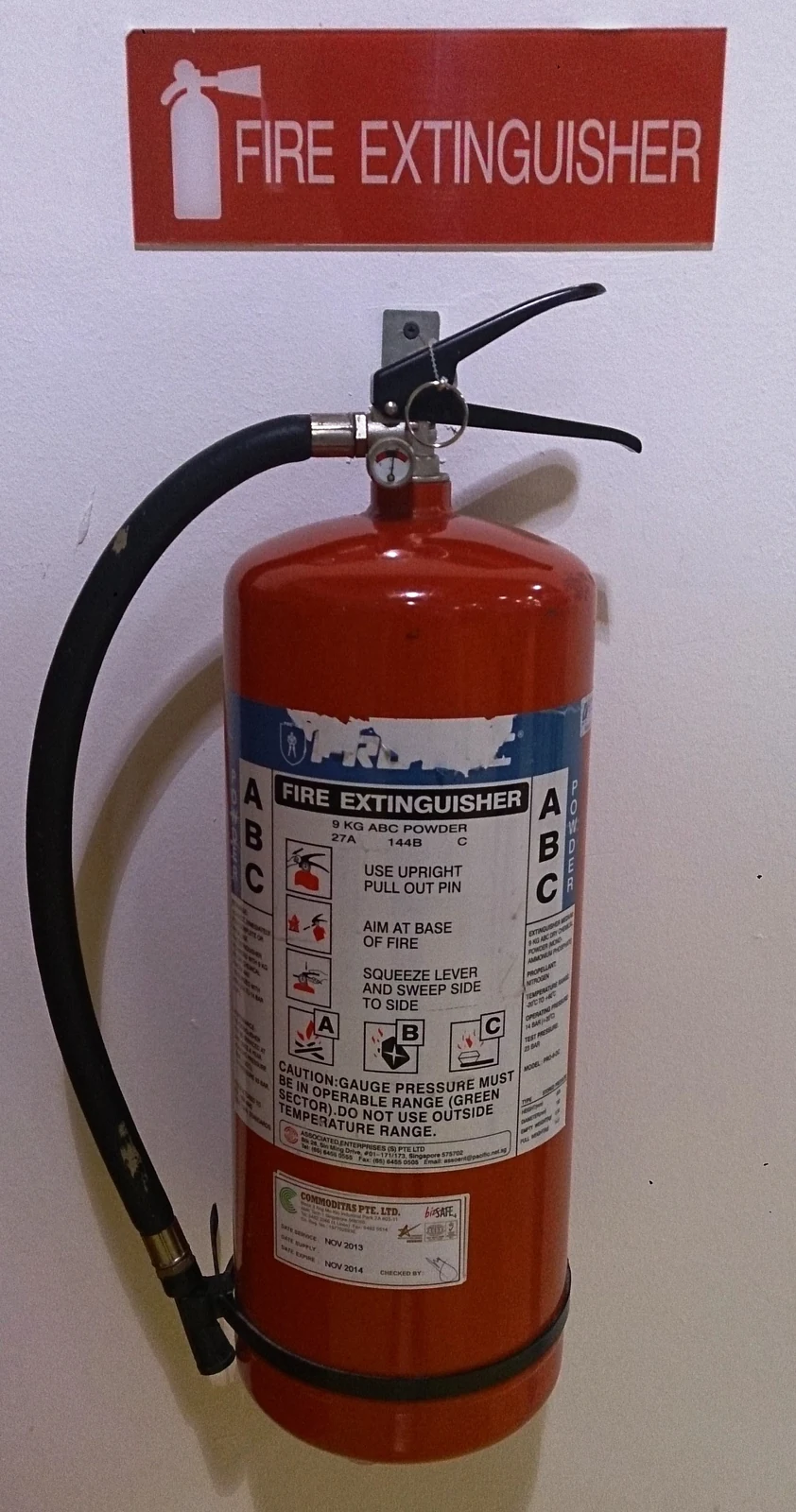

Check the condition and inspection requirements specified by the maker, including the pressure indicator when fitted, pin, seal, hose, and service or replacement date. Tell passengers where it is, and learn how that particular extinguisher works through suitable training. Do not discover an unfamiliar safety catch during an emergency.
The most important vehicle-fire guidance is to get people away. The U.S. Fire Administration advises stopping safely, turning off the engine, getting everyone out, moving at least 100 feet away and clear of traffic, and calling 911. It advises against fighting a vehicle fire yourself and against opening a hood or trunk where fire is suspected.
Carrying an extinguisher does not override that advice. A handheld unit also cannot make a large fire or an electric-vehicle battery incident safe to approach. Plan how occupants, pets, and anyone with limited mobility will exit. Keep fire equipment accessible, but spend equal attention on mechanical maintenance, secure cargo, and avoiding unsafe fuel storage. Replace or service a used extinguisher according to its instructions before the next trip.
Keep building your kit
Trail Gear Emergency Medical Kit · Trail Gear General Tools · Trail Gear Guide