


 Destination Anywhere
Trail gear
General tools that fit your vehicle
Build a compact tool roll around jobs you can actually perform.
A trail tool kit earns its place when it fits your vehicle and the repairs you understand. Start with the fasteners you can identify: the sockets and combination wrenches your rig uses, a ratchet and useful extensions, screwdrivers or driver bits, and pliers. Add work gloves and eye protection. A mixed-size bargain kit can work well if the important sizes are present and the tools fit securely.
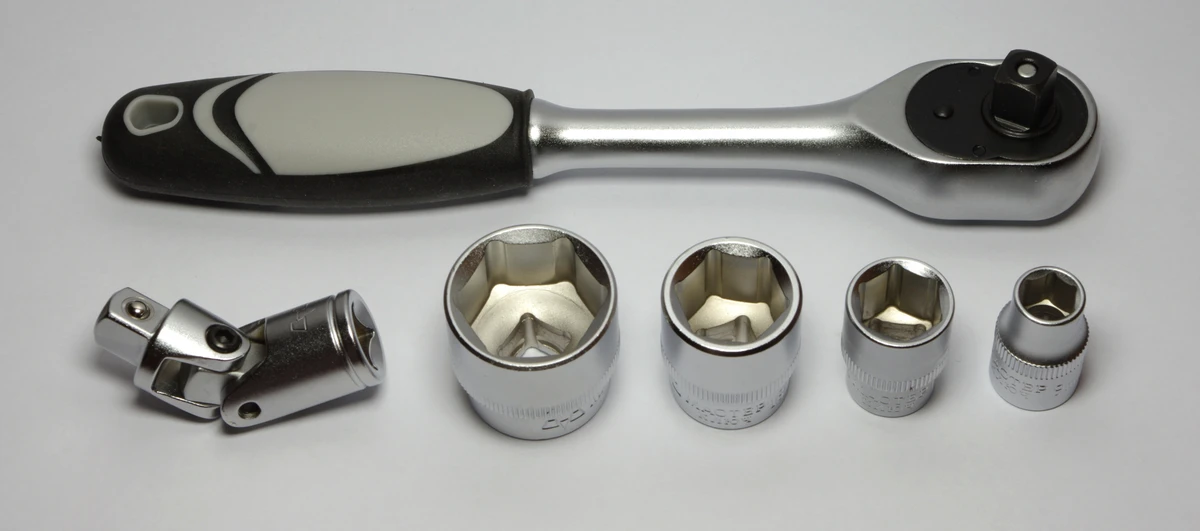

Before buying more, try a driveway exercise with the engine off and cool. Can you reach a battery terminal, an accessible hose clamp, and the spare-tire release using only the kit? That exercise reveals missing pieces faster than a giant shopping list. Carry the owner's manual offline, plus service information for any repair you intend to attempt.
A roll with labeled pockets makes missing tools obvious. Keep small consumables such as vehicle-correct fuses, electrical tape, zip ties, and a few known-use fasteners together. Treat improvised fixes as a reason to reassess the trip, especially around steering, brakes, fuel, or moving machinery.
The kit's limit is your diagnosis and training. A larger socket set cannot make a hazardous repair reasonable. Budget for preventive maintenance first, then expand the roll when a specific job justifies it. Check rust, damaged jaws, missing bits, and loose handles after wet or dusty trips.
Keep building your kit
Trail Gear Multitools · Trail Gear Hammers · Trail Gear Spare Parts · Trail Gear Guide