


 Destination Anywhere
Trail gear
Spare parts should match plausible repairs
Carry the correct belt, fluids, U joints, and bulbs only with a realistic repair plan.
Spare parts are useful when they match the vehicle, the failure, and your ability to install them. Start with model-specific maintenance history, not a universal crate of parts. Ask a qualified mechanic which failures are plausible on your rig and which require a tow.

Belt
Carry the correct belt and an offline routing diagram if replacement is a job you understand. Include the required tensioner tool. A failed pulley can destroy the replacement too; find the cause before fitting another belt.
Fluids
Use only the specifications required for each system. Label sealed containers and carry spill-control materials. An oil, coolant, brake, or transmission leak needs diagnosis; topping up does not prove the vehicle is safe. Never open a hot pressurized cooling system. Brake-related faults are a reason to stop and obtain qualified help.
U joints
A spare U joint makes sense only when it matches the actual driveshaft and a competent person has the tools and procedure to replace it. Some assemblies are not trail-serviceable. Do not assume removing a damaged shaft makes any vehicle drivable.
Bulbs
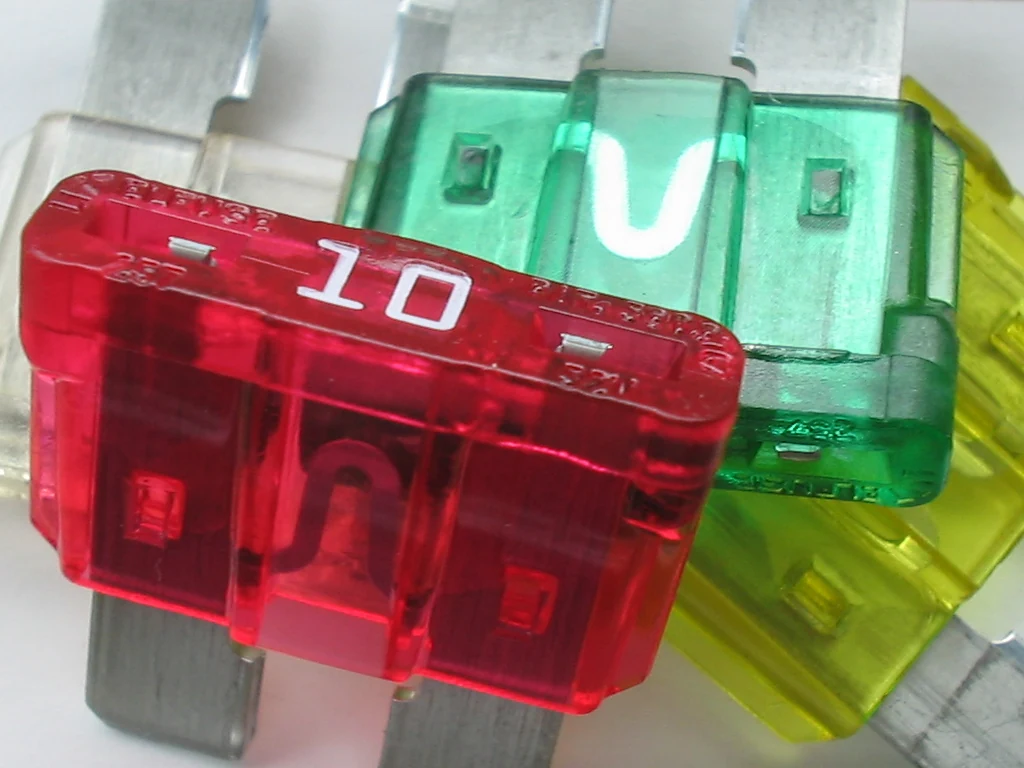
Carry the correct serviceable bulbs where useful, plus applicable fuses. Sealed LED assemblies may not have replaceable bulbs. Repeated fuse failures need diagnosis, not a higher-rated fuse.
Store parts clean and dry with part numbers and instructions. Spend on overdue maintenance before buying duplicates of components that are unlikely to fail.
Keep building your kit
Trail Gear General Tools · Trail Gear Hammers · Trail Gear Battery Booster · Trail Gear Guide