


 Destination Anywhere
Van electrical
Heating a Van Without Ignoring the Energy Budget
Separate heat output, electrical consumption, and combustion safety.
Heat can come from electricity or fuel, but both approaches need a complete operating plan. Estimate the coldest conditions you expect and how long the system must maintain a safe temperature.
Electric resistance heat is straightforward to calculate. An illustrative heater drawing 1,000 W for eight hours consumes 8,000 Wh on AC, or about 8,889 Wh from a battery at assumed 90% inverter efficiency. Cycling can reduce actual energy, but a cold night is a poor time to discover that an optimistic duty-cycle guess was wrong.
A heat pump can produce more thermal energy than its electrical input, but performance depends on the specific equipment and outdoor conditions. Do not substitute a favorable mild-weather efficiency figure for a winter heating plan.
A fuel-fired air heater uses fuel for heat and electricity for its operating components. Check its startup, running, and shutdown requirements rather than using a single advertised thermal-output number as electrical watts. Follow the manufacturer's installation, exhaust, combustion-air, servicing, and operating instructions. A relevant example manual is Webasto Air Top 2000 STC operating instructions.
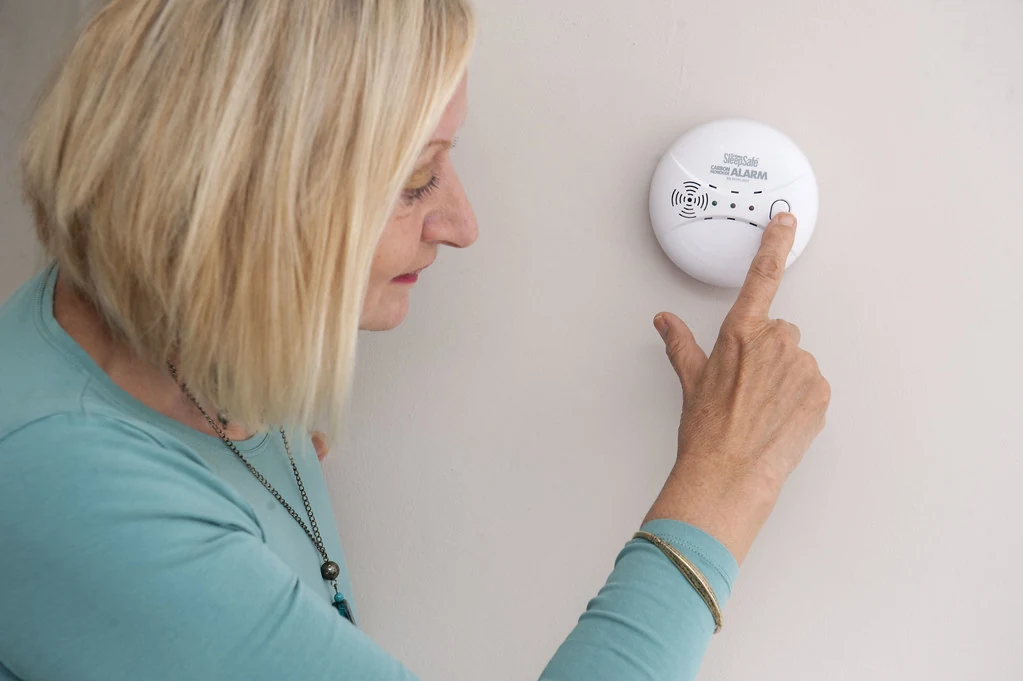
Have a qualified professional review the installation, and maintain appropriate CO and smoke alarms. Cooking stoves and portable outdoor combustion appliances are not a substitute for an approved cabin-heating system. CPSC warns against fuel-burning portable heaters while sleeping in enclosed campers or vehicles. CPSC portable heaters and camping equipment.
Remember the battery too: cabin comfort does not prove the battery cells are within their permitted charging temperature. Verify sensor placement and all charging controls.
Next: entertainment and device charging. Return to the van electrical guide.