


 Destination Anywhere
Trail gear
A spare wheel is only part of the plan
Match the spare, tools, lifting method, and vehicle instructions before a flat happens.
Wheel replacement means exchanging the mounted wheel-and-tire assembly. Removing and remounting a tire on its rim is a different job and usually belongs with a tire professional. For ordinary trail preparation, carry a compatible, inflated spare and everything needed to access it.
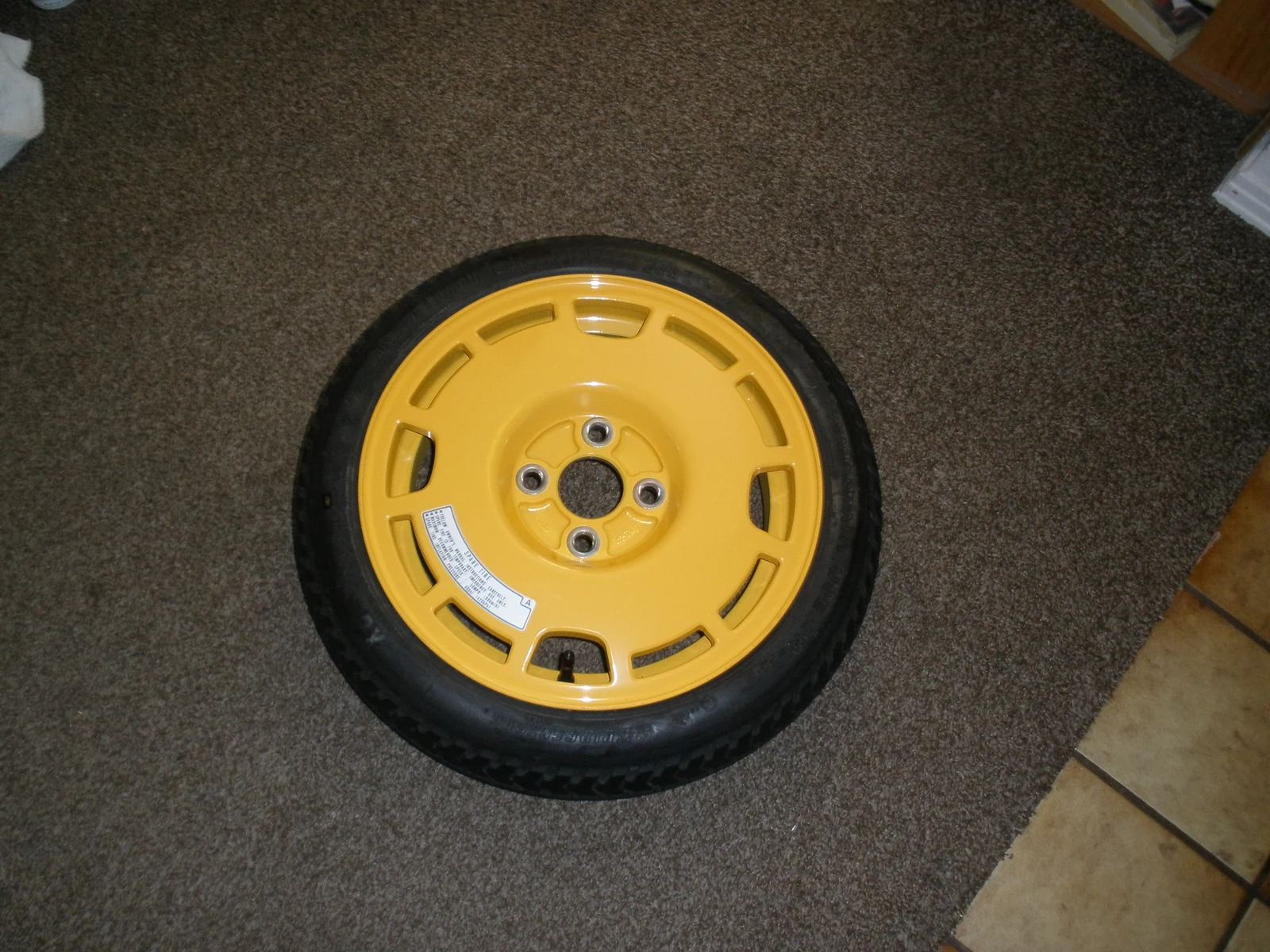

Check the lug socket size, locking-lug key, spare-carrier release, jack, and handle extensions in your driveway. An aftermarket wheel can change which socket or lug-seat design fits. A larger tire can also change whether the original jack has useful clearance and lift range. Verify the complete setup rather than assuming the factory tool bag still covers it.
Follow your vehicle's sequence for securing the vehicle, chocking, locating approved lifting points, removing the wheel, and installing the spare. Use a torque wrench and the vehicle or wheel manufacturer's applicable torque specification and tightening sequence. There is no universal lug-nut torque. Observe any specified recheck interval and the spare's speed, distance, or drivetrain restrictions.
Do not attempt the job on an unstable slope or where traffic puts you at risk. A jack lifts; it does not make it safe to put your body under the vehicle. If a stable setup cannot be achieved, get recovery help. Afterward, secure the damaged wheel and tools before moving. A loose spare inside the cabin creates another hazard.
Keep building your kit
Trail Gear Tire Repair · Trail Gear Jacks · Trail Gear Guide