


 Destination Anywhere
Trail gear
A shovel helps only after you assess the scene
Make room for simple traction work without getting beneath an unstable vehicle.
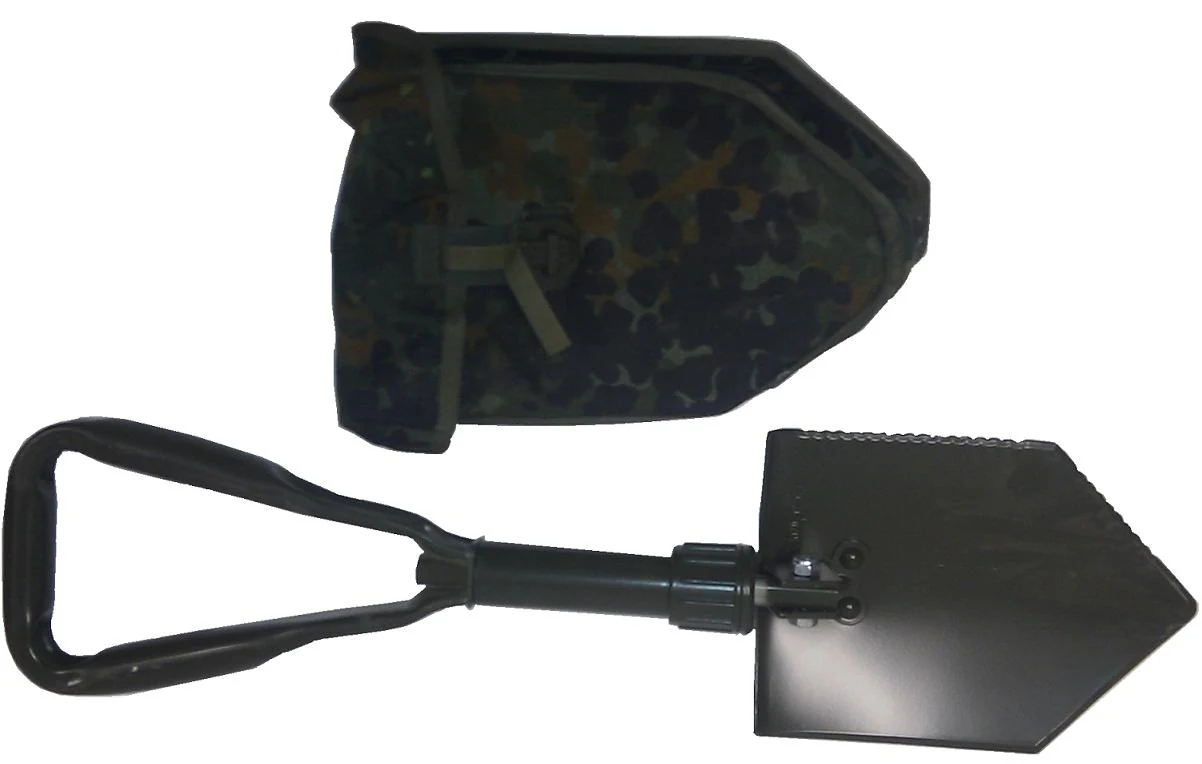
A shovel can clear loose material around tires or help create a usable approach for compatible traction boards. It is a practical addition to a soft-ground kit and often easier to justify than specialized recovery hardware. Choose one you can handle comfortably, store securely, and reach when the vehicle is stuck.

Before digging, stop vehicle movement and assess stability. Look for hot components, sharp surfaces, unstable slopes, and anything that could shift unexpectedly. Keep your body out from beneath the vehicle. Removing supporting material can change how the vehicle rests, so do not dig blindly under loaded components or undermine a support point.
Work only where safe and permitted. Avoid disturbing vegetation, creating a new route around an obstacle, or leaving a deep excavation as a hazard for the next traveler. If clearing material does not produce a sensible path out, stop and reassess. A vehicle supported on its underbody or leaning precariously may require qualified recovery.
Practice packing and retrieving the shovel along with your boards. Test folding or telescoping locks and inspect the handle and blade after use. Gloves can help with handling, but do not make hot or sharp components safe to touch. For a beginner, a sturdy ordinary shovel that fits the storage space is a reasonable choice. Spend attention on scene assessment and communication before worrying about premium materials or extra attachments.
Keep building your kit
Trail Gear Traction Boards · Trail Gear Winch Recovery · Trail Gear Jacks · Trail Gear Guide