


 Destination Anywhere
Van electrical
Electric or Gas Cooking in a Van
Compare the complete electrical burden with the fuel storage and safety requirements.
Cooking preferences can reshape the whole van power system. Decide what you actually make, how often you cook, and whether the appliance needs to work without shore power.
An illustrative induction session averaging 1,200 W for twenty minutes uses 400 Wh at the appliance. At an assumed 90% inverter efficiency, it withdraws about 444 Wh from the battery. Two sessions require roughly 889 Wh, before refrigeration, lighting, or laptop use. Average power and time are assumptions here; a cooktop's maximum rating is not a measured meal budget.
Electric cooking can avoid storing cooking fuel and produces no combustion exhaust at the burner. It still needs suitable cookware, clearance, safe mounting, and ventilation for steam and cooking emissions. Check the battery's current capability and the inverter's simultaneous-load limit.
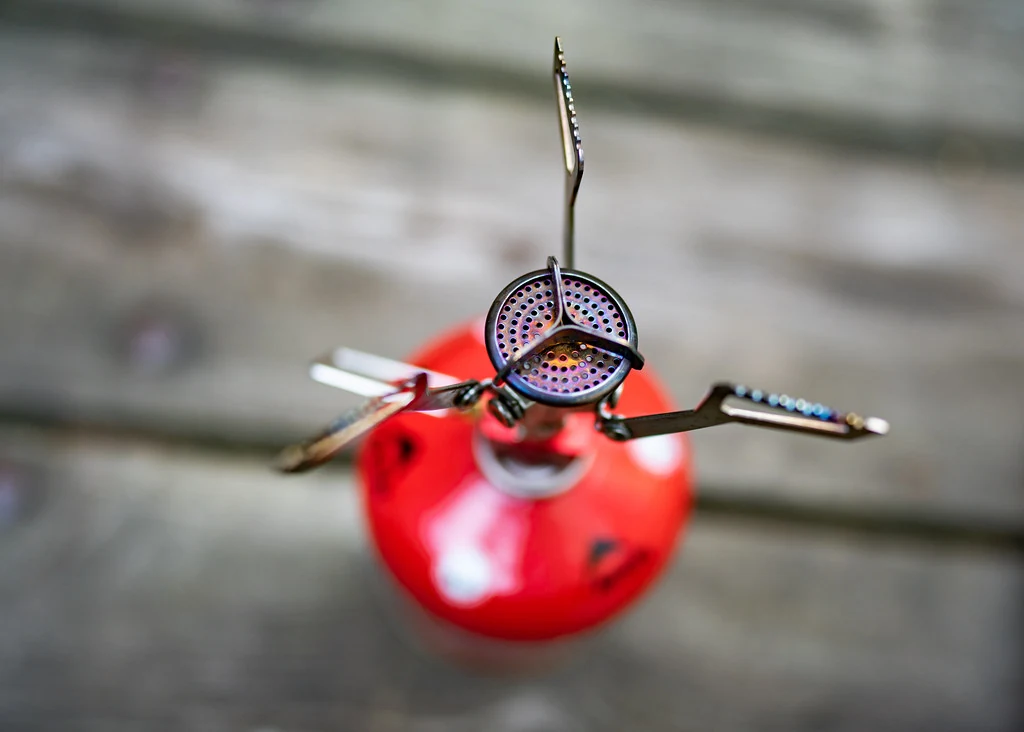
Gas cooking moves much of the energy requirement to fuel. Compare the complete approved appliance installation, fuel storage, refilling logistics, maintenance, and combustion precautions. A portable outdoor camping stove does not become suitable for indoor use because a window is open. CPSC warns that camping combustion equipment used in campers and vehicles can cause fatal carbon monoxide poisoning. CPSC portable heaters and camping equipment.
Never use the stove as a cabin heater. Keep the cooking area clear and maintain appropriate alarms. Follow the specific appliance's instructions for permitted location and use.
For occasional weekends, planning some cold meals can reduce both electrical demand and setup complexity. For everyday cooking, measure a realistic menu before committing to the battery purchase.
Next: refrigeration and food storage. Return to the van electrical guide.