


 Destination Anywhere
Van water
Checking Water Sources and Local Advisories
Confirm the refill source and understand why a boil advisory differs from a do-not-use warning.
A reliable refill plan includes a source check on the day you need water. Confirm the tap is designated potable, that it is operating, and that no local advisory changes its use. Save a second option before driving somewhere with limited service.
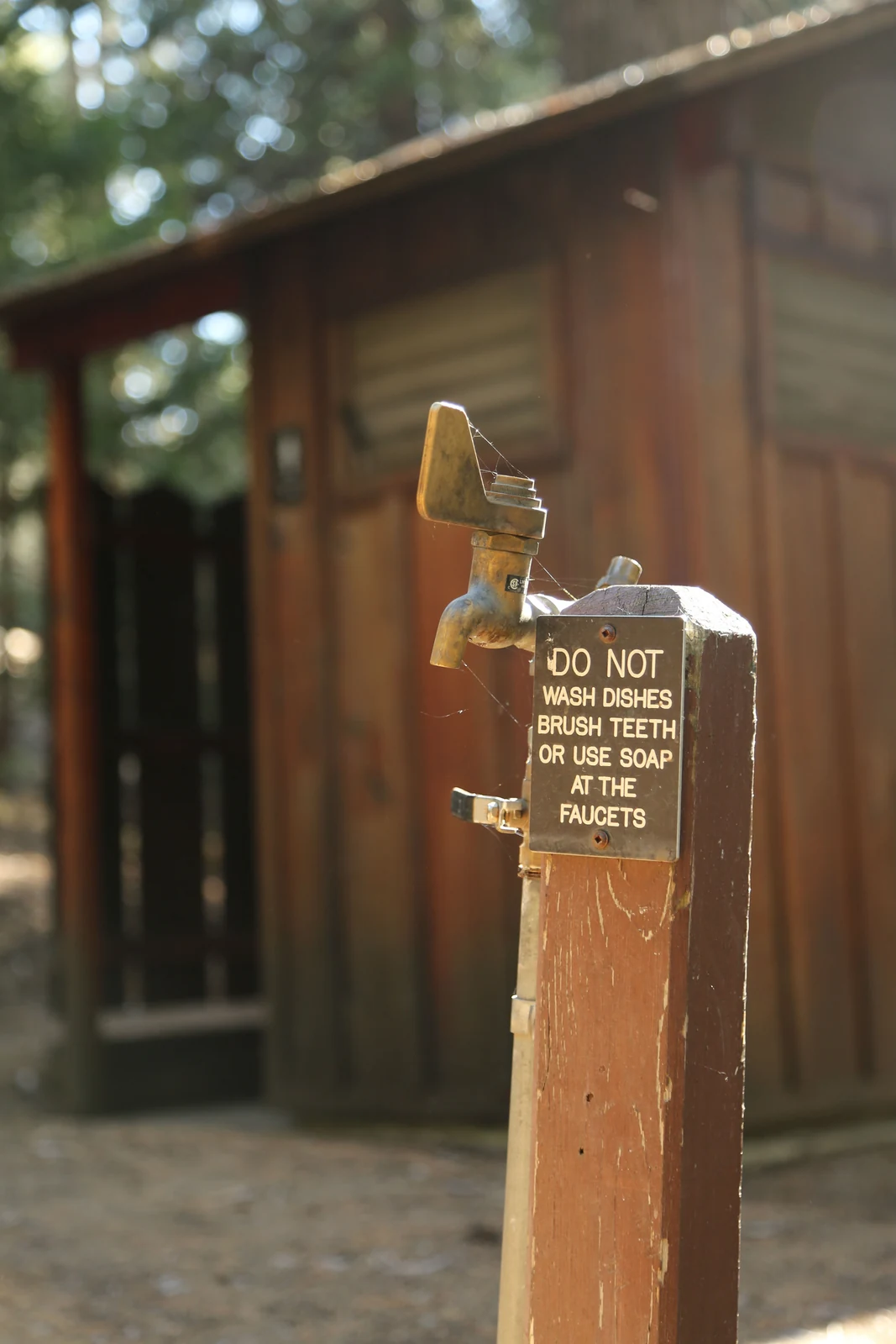
Read the actual notice rather than relying on a brief map comment. CDC distinguishes boil-water advisories from do-not-drink and do-not-use advisories. They respond to different hazards and come with different restrictions. A do-not-use notice can cover skin contact and other exposure, not simply swallowing the water. Follow the issuing authority's directions. CDC drinking water advisories overview
An inline filter is not a reason to ignore an advisory. CDC specifically says to boil water during a boil-water advisory even if it has passed through a home filter. If boiling is relevant to your situation, follow the current official instructions for altitude and use, or choose commercially bottled water. CDC drinking water advisories overview
For an unknown natural source or a suspected chemical problem, choosing a confirmed safe alternative is a better weekend plan than improvising treatment into the main tank. Keep questionable water and its equipment separate from your potable supply.
If you learn about a problem after filling, stop and ask the water authority what the notice means for water already collected. Resolve any needed system cleaning before putting the affected supply back into service.
See filter limits, refill equipment, and the main guide.