


 Destination Anywhere
Van water
Hot Water Options for a Camper Van
Choose hot-water convenience with realistic energy, installation, and winter-care expectations.
Before installing a water heater, decide which job needs hot water. Washing a few dishes is a different requirement from repeated showers. Keep that distinction in your budget and space plan.
.jpg)
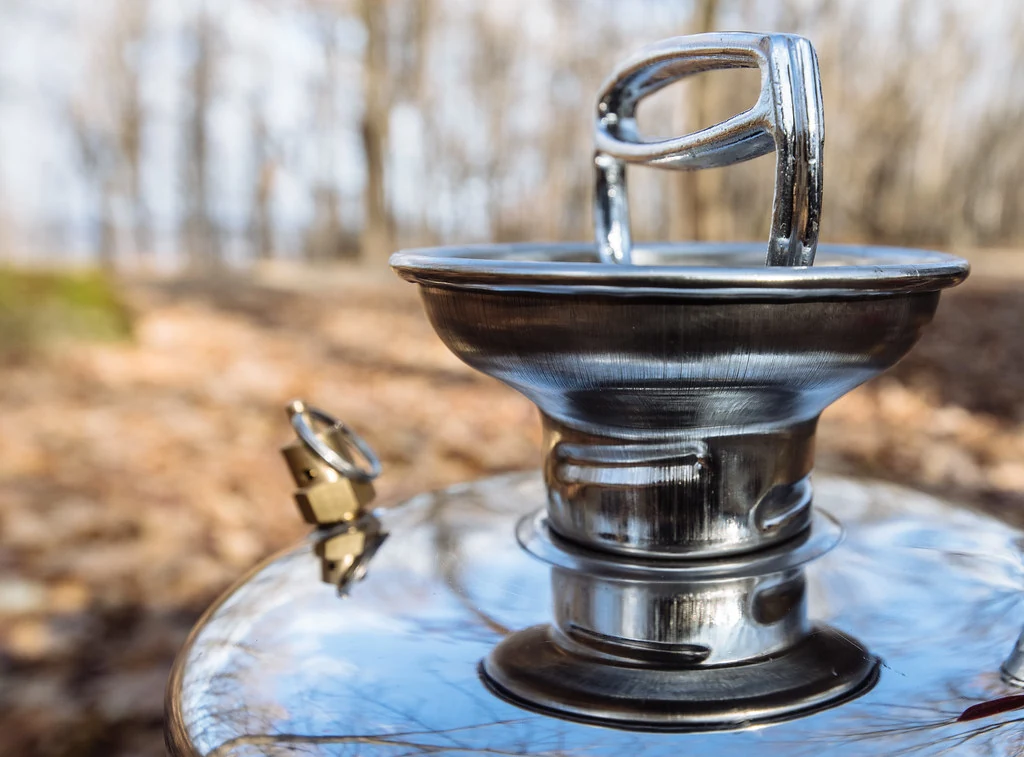
A kettle can warm a small amount for a wash basin when used on an appliance approved for the setting. Let the water reach a safe temperature before handling or washing. A fixed electric or fuel-fired heater brings more convenience, but requires a compatible energy supply, plumbing, and installation. Follow the appliance's location, ventilation, exhaust, electrical, and fuel requirements, with qualified help where needed.
Read the operating manual before buying. Check how the heater behaves at your intended flow, what its maintenance requires, and how much space must remain accessible. Truma's AquaGo documentation, for example, describes both operating requirements and a dedicated descaling process. Those are model-specific details. Truma AquaGo product and operating guidance
Hot water also creates a seasonal obligation. Draining the fresh tank alone may leave water in a heater. Truma publishes a separate AquaGo winterization procedure, so keep the correct instructions for your actual appliance. Truma AquaGo winterization guidance
For a first build, list the chores hot water will improve and estimate how often you will use it. Then compare the benefit with the equipment and service space it adds.
Continue with outdoor shower planning, or return to the water systems guide.